

Paralyzed by Fear? How Complex Trauma Freezes Your Decisions
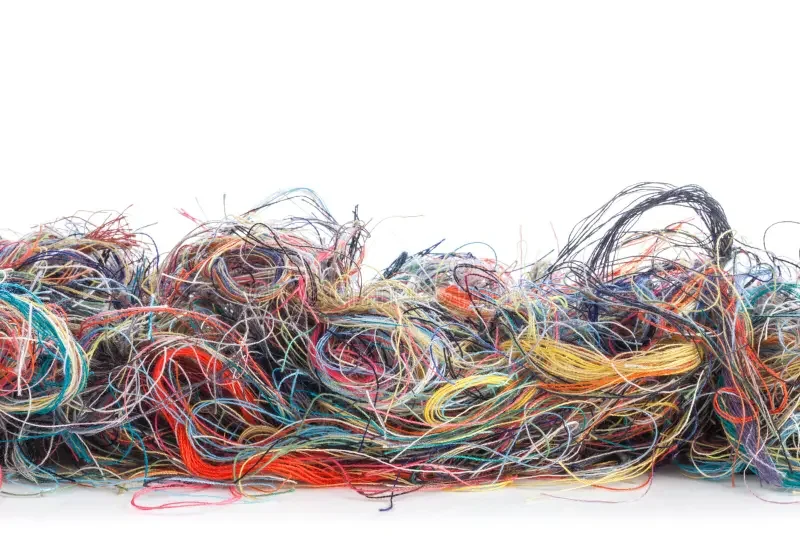
You sit with a decision in front of you and feel frozen.
Maybe other people don't understand why it's so hard. From the outside, you seem like someone who has it together. You're capable, thoughtful, independent. You've built a life, a career, relationships. People often come to you for advice because you seem so decisive.
Yet when it comes to certain choices in your own life, something happens.
Your shoulders tense. Your stomach knots. Your thoughts race through every possible outcome. You replay conversations. You research every option. You’ll ask trusted people what they think. Then you’ll ask someone else. And maybe someone else after that.
You tell yourself you're just being careful.
But underneath all the analysis is fear, paralyzing fear.
A fear that if you make the wrong decision, everything could fall apart.
A fear that one mistake could permanently alter the course of your life.
A fear that you'll regret it forever.
So you wait.
You gather more information.
You try to become absolutely certain before moving forward.
And somehow certainty never comes.
What makes this experience so confusing is that it doesn't match who you are in the rest of your life.
People see you as strong. Competent. Responsible.
But there is another part of you that few people see.
The part that becomes paralyzed when the stakes feel high.
The part that struggles to trust itself.
The part that feels much younger than your actual age.
Because sometimes the fear isn't really about the decision in front of you.
Sometimes the fear began a long time ago.
The Hidden Reason You're Afraid to Make the Wrong Decision
You may have grown up in an environment where making your own choices wasn't safe.
Maybe your opinions were criticized.
Maybe your judgment was questioned.
Maybe there were consequences when you made a choice someone else didn't agree with.
Maybe you learned that getting it wrong meant rejection, anger, shame, physical or emotional pain.
Children are remarkably adaptive. They learn what they need to learn in order to stay connected and safe.
If making independent decisions led to painful consequences, it makes sense that you learned to hesitate. It makes sense that you learned to scan for danger. It makes sense that you learned to wait for someone else's approval. It makes sense that part of you learned to freeze.
The problem is that our nervous systems don't automatically update when our circumstances change.
You may now be an accomplished adult with freedom, resources, and choices. You may have done years of personal growth. You may understand intellectually that you're no longer trapped in the circumstances you grew up in.
But your body can still react as if the old danger is present. Your body may still believe that making the wrong choice could lead to catastrophe. Your body may still respond as though your survival depends on getting everything exactly right.
And when that happens, decision-making becomes exhausting. You become stuck between competing possibilities.
You question yourself repeatedly.
You second-guess choices you've already made.
You carry a constant pressure to avoid mistakes at all costs.
Over time, this can create a life that feels smaller than the one you actually want.
Not because you aren't capable. Not because you don't know what you want. But because fear keeps interrupting your ability to trust yourself.
From Decision Paralysis to Self-Trust: Healing Your Nervous System
The truth is that healing is not about becoming perfect at making decisions. It's not about guaranteeing you'll never choose something you'll later wish you'd done differently. It's about helping your nervous system learn that you can survive uncertainty.
It's about helping your body recognize that the danger is no longer happening right now. It's about reconnecting with the part of yourself that already possesses wisdom, insight, and resilience.
In therapy, we can gently explore where this fear began. We can make sense of the experiences that taught you to doubt yourself. We can notice the ways those old lessons continue to show up in your present life.
Most importantly, we can help create new experiences that allow your body and mind to feel safer trusting your own voice.
Finding the Courage to Reclaim Your Voice
Because underneath the fear, there is often someone who already knows more than they realize. Someone who has spent years developing strength, wisdom, and discernment. Someone who is tired of living as though every decision carries the weight of their entire future.
You do not need to become fearless before you move forward.
You do not need absolute certainty before making a choice.
You do not need to prove that you'll never make a mistake.
You are allowed to trust yourself, even when outcomes aren't guaranteed.
You are allowed to choose.
You are allowed to take up space in your own life.
And you are allowed to learn, over time, that the terrified child who once needed to freeze is not the only part of your story anymore.
The adult you have become deserves a voice, too.
About Me
My name is Dr. Rachel Duhon, and I’m a Licensed Professional Counselor in Grand Rapids, MI. If what you've read here resonates with you, I want you to know that you're not alone, and there is a path forward. I'm deeply committed to helping people just like you reconnect with their authentic selves and heal from the impacts of complex trauma. Through compassionate, client-centered therapy that includes specialized approaches like Brainspotting and trauma-focused counseling, I create a safe, supportive space where real, lasting change becomes possible.
You don't have to keep carrying this weight by yourself. Whether you're certain about what you're dealing with or just beginning to explore your experiences, I'd be honored to walk alongside you on your healing journey. Your story matters, your experiences are valid, and you deserve support that truly understands what you've been through. To learn more about how I work with complex trauma, go here.
I invite you to take that first step. Schedule a free 10-minute phone consultation to see if we might be a good fit. There's no pressure, no judgment, just an opportunity to talk about what you're experiencing and explore how I might be able to help. You've already shown incredible strength by seeking answers. Let's discover together what's possible when you have the right support. You are worth being seen.